

Haus am See
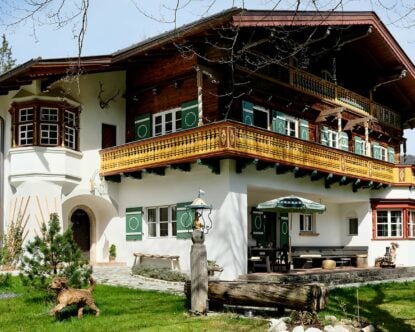
Occupying an early 20th-century industrialist’s villa, Haus am See is an eclectically designed holiday rental in Bavaria. It boasts four spacious suites and several terraces with views across the lake
The house sits exactly where it should. You feel this the moment you arrive.


Collect 1 mile for every Euro you spend with us.
Found your stay cheaper elsewhere? Contact us and we’ll always try to match the price. Guaranteed.
Email us here for support.
How would you describe the house in a nutshell?
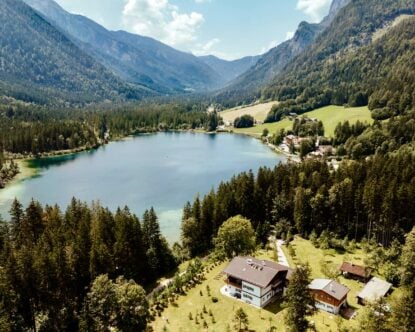
The house is a very special place. It’s tiny – hidden in the forest, yet with this wide, cinematic view over Lake Walchensee and the mountains beyond. A lot has happened here over the years, and there’s a surprisingly “intense” kind of neighbourhood history.
Just next door, for example, is the former home of the painter Lovis Corinth, who spent a long time here and painted the lake view again and again. Later, the physicist Werner Heisenberg took over the house. There are stories of how, after the war, the Americans came up here to pick him up – a convoy arriving at the bottom, then bringing him down from this secluded retreat. The house has always attracted people who wanted distance, focus, and a certain kind of silence.
Our own house is originally from the 1960s. I’m from the area myself, so the place has always meant something to me – but when we discovered the property, it still felt like an unexpected find. The site is steep and terraced, around 1,000 sqm, and the house sits across different levels. It’s one of those locations that immediately feels right.
At the time, the building itself was… challenging. It had essentially become a “hoarder house” – packed with things from years and years. The structure, luckily, was solid and well built, but clearing it was a project in itself. Because of the terrain, you can’t simply bring in big machines. A lot of it had to be carried out by hand.
How did you approach the renovation, and what did you want to achieve with the design?
The renovation happened in stages, over time. First, it was about freeing the house, understanding what we had, and slowly bringing it back to life. The larger renovation that led to the way it looks today came later, and the design phase in its final form is now around four to five years old.
A key part was the energy retrofit. The building is masonry, so we chose to insulate and clad it from the outside, using timber cladding – it’s the most sensible approach for this kind of structure. We also created a generous roof overhang, which matters here: you have snow, weather, and strong alpine conditions. The house needs to work in real life, not just in photos.
In terms of atmosphere, the goal was never flashy luxury. I wanted the house to feel relaxed, light, and genuinely comfortable – design-led, yes, but never “overdone.” There’s a kind of simple luxury I personally love: the things that make you feel good without shouting.
We used a lot of local materials, especially silver fir (Weißtanne) from nearby Jachenau. That valley feels wonderfully remote – in winter, with avalanche conditions, it can become completely inaccessible. It’s rare to find places like that in Germany.
For you personally, what makes this house so special?
It’s the location. The architecture matters, of course, but the truth is: the house sits exactly where it should. You feel it the moment you arrive. It works in every season, in every kind of weather. If it’s hot, you have shade and a breeze. If it’s cold, the house holds you. If it’s perfect outside, you always find the right terrace.
And then there’s the closeness to the lake: it’s about three minutes on foot, down your own private road. There’s a barrier at the entrance, so it feels extremely private – but not in an artificial “gated” way. Occasionally, a hiker passes below, but overall, it’s incredibly secluded and calm. You can be here while everything is happening down at the lake – and you’ll barely notice.
Even in winter, the view can be surreal: snow melting on the slopes, and out on the lake, you might see wing surfers cutting through the water. The lake actually has waves, and watching the light move across it from above is something that still impresses me every time.
Another thing many people don’t expect is the microclimate. In the valley, you can have persistent fog – and up here you’ll be in full sun. Sometimes Munich is grey and cold, while we’re sitting in the sun at 16°C. It’s one of the reasons I now spend much more time here: the city starts to feel oddly flat by comparison.
What do you hope guests feel when they’re here?
I hope they feel what I feel each time I arrive: that you’ve stepped into a place that’s genuinely rare. The landscape is powerful, but life still feels normal and authentic – not overly polished, not too “scene.” It’s not Tegernsee, it’s not Sylt. It’s a quieter kind of luxury: space, light, nature, and the sense that you’re protected, tucked away, and completely free.
And if it’s winter, even better: snow, blue sky, and that bright alpine light that changes everything.






The house is not huge – around 80 sqm for the guest areas, but it’s designed efficiently and feels larger because the main space is open and split across levels. I often describe it as a modern mountain house: more than a cabin, less than a chalet in the classic sense. It has its own character.
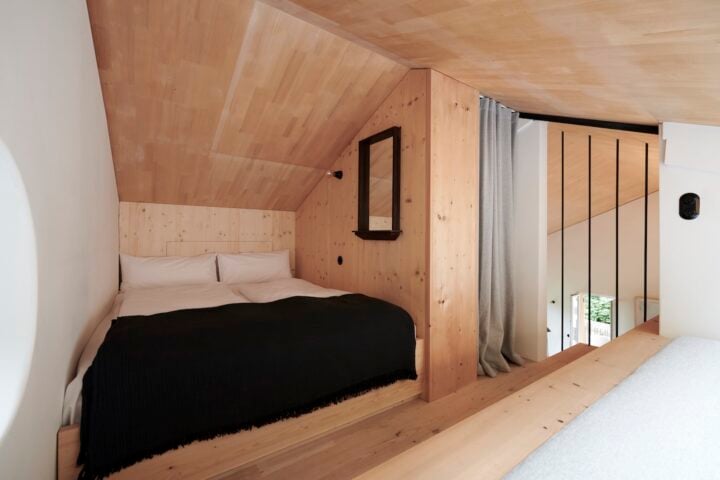
Inside, the fir timber continues. The interior is largely lined in Weißtanne, which gives it warmth and calm. The kitchen is a special piece: it’s a unique design by Norbert Wangen, who has worked with Boffi, and it was built specifically for this house. We also reused elements that were already on the property – old boards and timber that had been part of the site for years, brought back into the architecture in a new way.
The living space has a wood-burning stove, which is an essential part of the experience. Guests often tell me that after a few days, they fall into this beautiful rhythm: tending the fire, heating the house themselves, and slowing down. It’s like the “hut feeling,” but in a modern, comfortable setting. We also added the kind of basics that matter when you’re staying somewhere for a week: a modern bathroom, underfloor heating, and wall heating, so the house is cosy in all seasons.
Upstairs, there are two sleeping areas with double beds, and then there’s a sleeping niche under the skylights – a favourite for children, but also perfect as a reading and lounging spot. In total, the house is ideal for four guests, and it can work for families up to six, depending on the mix of adults and children. There are also two toilets, which makes life much easier for groups.
One of the most magical elements is the flush roof glazing upstairs. From there, you can watch the forest and the stars at night. Even in stormy weather, it’s beautiful, because you feel protected while still being in the middle of nature. Guests mention this again and again.
OVERVIEW
Two things are essential here: the fireplace and the sauna. The house has an outdoor sauna with panoramic views over the lake, plus an outdoor shower – simple, but incredibly luxurious in the best way. Then there’s a yoga platform in the forest, which is a beautiful spot to sit, read, stretch, or simply be quiet.
What I personally love most about the property is that there are many different places to spend time. There are several terraces, including a north terrace that’s perfect in summer when it’s hot. You can always find a corner that fits your mood – whether you want sun, shade, privacy, or a wide-open view. The land is steep and layered, so it naturally creates these different “rooms” outdoors.
The forest begins right at the house. You’ll see deer passing by. And because the house is so quiet, you sometimes notice animals simply because everything else is still.
OVERVIEW
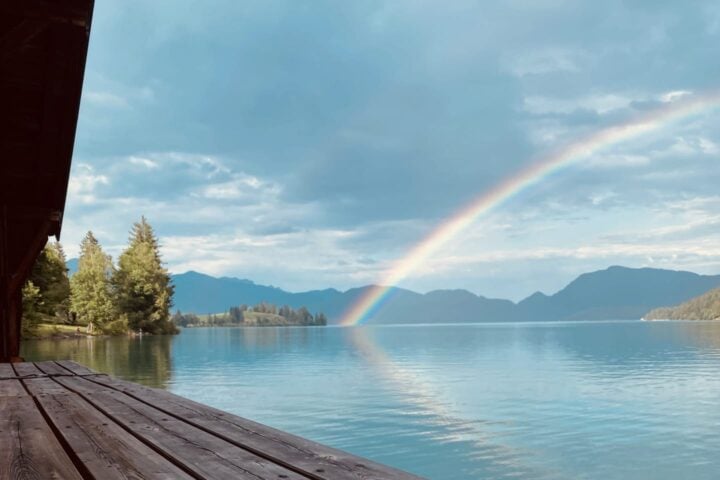
In summer, the lake is the classic highlight: swimming, boating, rowing, sailing, and paddleboarding. Walchensee has this incredible colour – deep green and clear, with drinking-water quality. Motorboats are restricted, which keeps it calm, and the overall feeling is unusually pure.
That said, I personally think the “other” seasons can be even more beautiful. Autumn and winter have a special clarity: different light, quieter, and often more sun above the fog.
Hiking is endless here – from easy walks to serious mountain routes. You can go up to Herzogstand directly from the house, and there are countless trails all around the lake and into the valleys beyond. Cycling is also fantastic – including a full loop around the lake (about two hours), with places to stop along the way.
For day trips, you’re also close to many iconic alpine destinations:
You can make the stay as active or as slow as you like. Some guests barely leave the property – and that’s completely valid here. The house is designed to be a place you can truly spend time in, even if the weather changes.
The house is in a tiny hamlet right by Lake Walchensee. The next village is Walchensee itself – about five minutes away – where you’ll find a small shop and a handful of restaurants. There’s also a café down by the house where you can get basics like bread rolls, and there are boat rentals nearby.
The region is becoming quietly more interesting: a few younger people have moved here, opening small places, bringing new energy – without changing the character of the area.
And while it feels remote, it’s also surprisingly well connected. You’re about one hour from Munich, and you can even take the train from Kochel into the city.
All year round.
Occupying an early 20th-century industrialist’s villa, Haus am See is an eclectically designed holiday rental in Bavaria. It boasts four spacious suites and several terraces with views across the lake
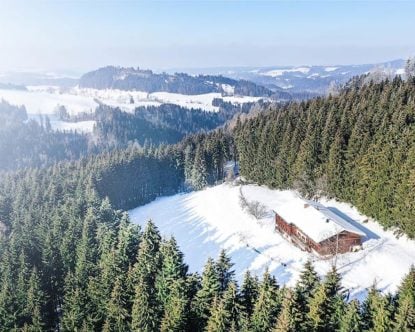
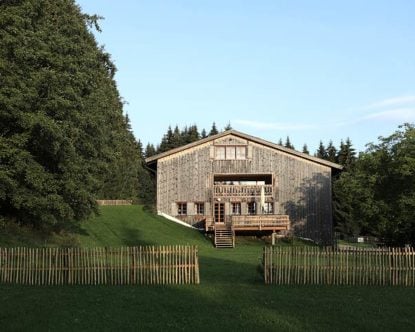
Ansitz Hohenegg in the Allgäu Alps is the perfect hideaway from stressful, everyday life. It’s surrounded by forests but still flooded with sunlight. It offers 4 beautifully designed apartments.
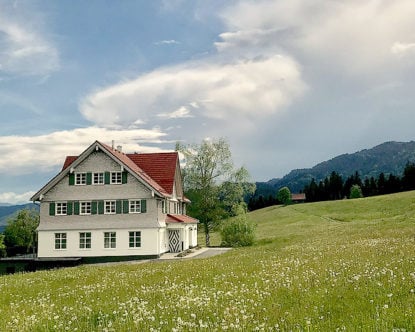
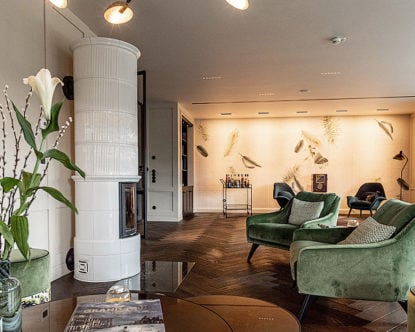
Alpenloge offers 9 individually designed rooms, a restaurant and a wellness area. It is located on the outskirts of Scheffau, a quaint village that’s surrounded by meadows and mountains in the Allgäu.

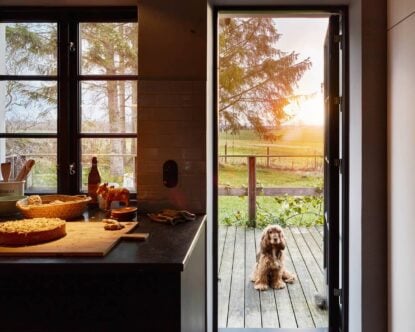
Surrounded by nature near the Baltic Sea, Klützer Hof is a cozy holiday rental between Lübeck and Wismar. It features exposed wooden beams, inspiring sightlines and a cosy beachhouse aesthetic.
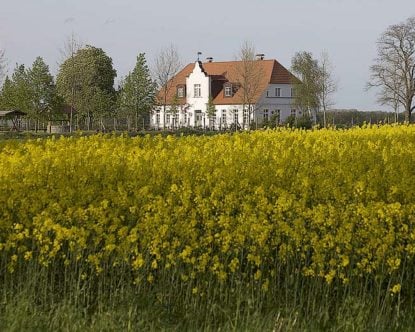
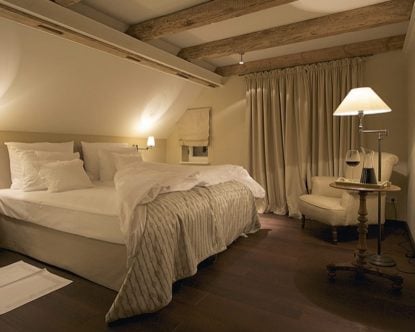
Gutshaus Groß Toitin are two luxury holiday rentals on a country estate from the 19th century with 270 degrees of open views.
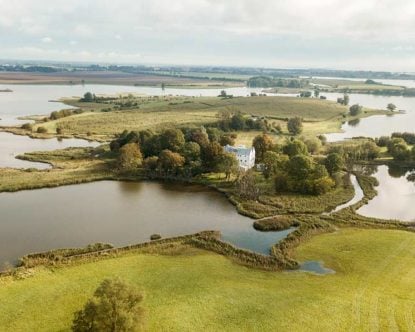
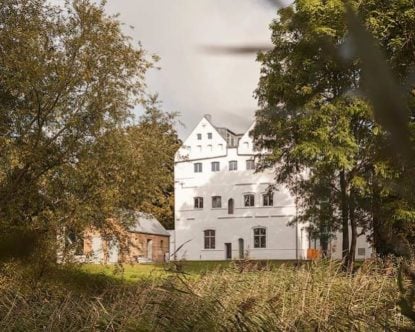
Gut Üselitz is a landmark protected Renaissance manor situated in the south of the island of Rügen. The manor houses seven holiday apartments and is surrounded by water on all sides.
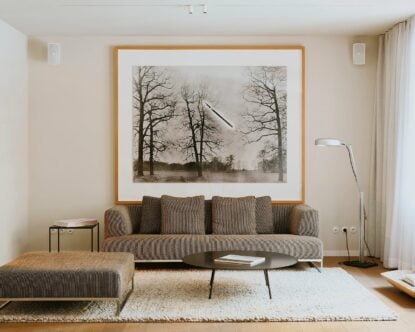
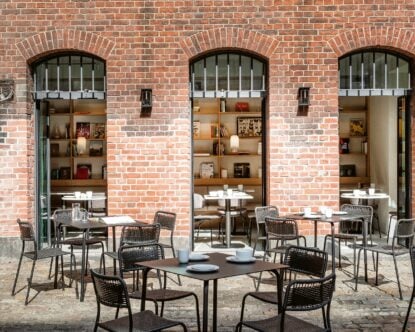
Housed within a 19th-century courthouse, the Wilmina is a boutique hotel in the Berlin district of Charlottenburg. It features calming rooms, a sauna and a rooftop pool, plus a gastronomic restaurant.
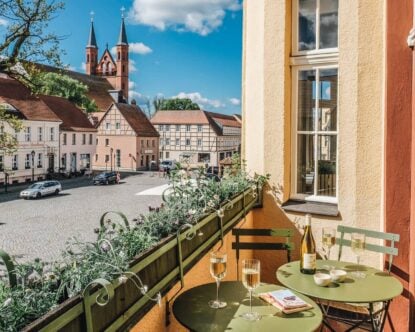
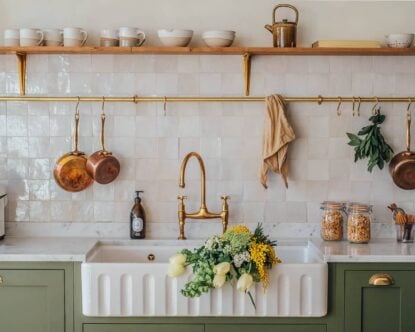
Named after the oak tree in its front yard, St. Oak is a loft-style apartment in the heart of Kyritz. It features an open-plan design with views of the town hall and bicycles to reach the nearby lake.
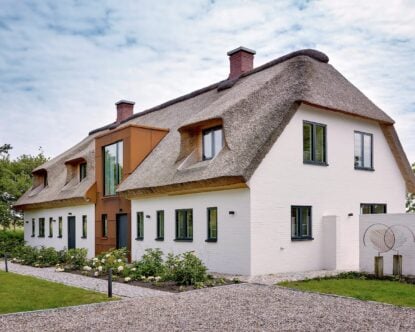
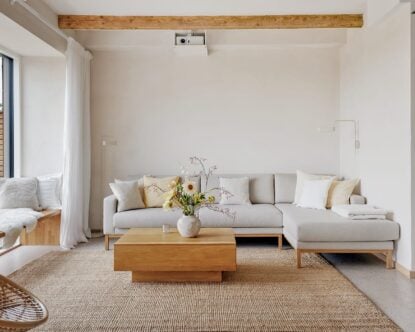
The house sits quietly within the open North Sea landscape, surrounded by meadows and wide skies, far from noise and crowds.
Continue
Let’s prepare the booking details so you can review everything. You won't be charged yet.
Already have an account? Log in
Log in