


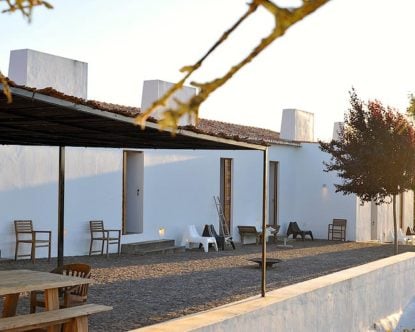
Alentejo Villa
Alentejo Villa is a beautifully designed holiday home rental with a stunning pool in the heart of unspoiled Alentejo.
Sometimes guests feel as though they are part of the family — we create relationships that don’t end when they check out.

Casa Fortunato
Casa Fortunato is an 18th-century townhouse in Alcácer do Sal, lovingly restored by architect owners to preserve its original frescoes, antique floors, and historic character while housing a curated collection of designer furnishings. Casa Fortunato offers full-service hospitality with two resident staff on hand daily, full breakfast included, and the option for traditional Alentejo meals prepared on request using regional ingredients. Casa Fortunato is uniquely positioned between Lisbon, Comporta, and the Alentejo interior, offering easy access to beaches, river cruises, and UNESCO-listed Évora.
Alcácer do Sal is a quiet traditional town without a beach, but the beaches of Comporta and Melides are 30 minutes away. A car or arranged transfer is needed to reach the coast.

Collect 1 mile for every Euro you spend with us.
Found your stay cheaper elsewhere? Contact us and we’ll always try to match the price. Guaranteed.
Email us here for support.
What was your inspiration to create Casa Fortunato? What is the story behind it?
We are both architects and not from the hospitality industry. Having four children, we always wanted to have a small hotel where they could return at Christmas (after they left the nest) and we could welcome guests at other times of the year. Casa Fortunato started with the concept of family, meeting people, and sharing our lifestyles and stories.
In 2018, we found a beautiful building in Lisbon and started the project. The following year, we were selected as one of the best hotels in the world by Mr and Mrs Smith. There was a lot of press, everyone was talking about it and we felt we were doing everything right. But in March 2020, we had to close due to Covid and as we were just starting out, it hit us hard.
Luckily, a hotel in Comporta was looking for a Lisbon property and they purchased Casa Fortunato. We moved our attention to this townhouse in Alcácer do Sal, which we already had approvals to carry out the architectural work. After nine months, we began “testing” it with family and friends, making sure everything was comfortable and perfect. We officially opened to guests last year.
How would you describe the architecture and interior design? How would you describe the atmosphere?
We always try to respect the DNA of the houses we work with. In Alcácer do Sal, the townhouse had very good wood in the floors, ceilings, and doors, so we tried not to do anything that could damage the original layout. The biggest challenge was putting bathrooms in all of the rooms, as this wasn’t the case in houses from the 18th century. For the ceiling lamps, we used the Plusminus model, so we didn’t have to make holes in the ceiling.
On the first floor, we retained the original frescoes from the 18th century — there are some scratches but they add to the identity. After the structural work, we started to add our collection, including furnishings from well-known designers. For Antonio and I, it’s something that we really need to “feel”, so we are always changing things around.
All of the rooms are different — we wanted it to feel like a house and for each room to have its own identity. Every corner, each piece has a story. This is a more personal way of hosting as we are sharing the best things we have.
To you personally, what's so special about Casa Fortunato?
I think it’s the ambiance we have created — the design, furniture and lighting. But also the people. We have really trained our staff to take care of our guests and make them feel special. For Antonio and I, that’s the most important thing — to feel well treated when you are on vacation. We are always trying to anticipate our guests’ needs and figure out what is best for each person. That makes the experience unique.
We want to share our story and provide recommendations that aren’t in the tourism guides. Sometimes guests feel as though they are part of the family — we create relationships that don’t end when they check out.

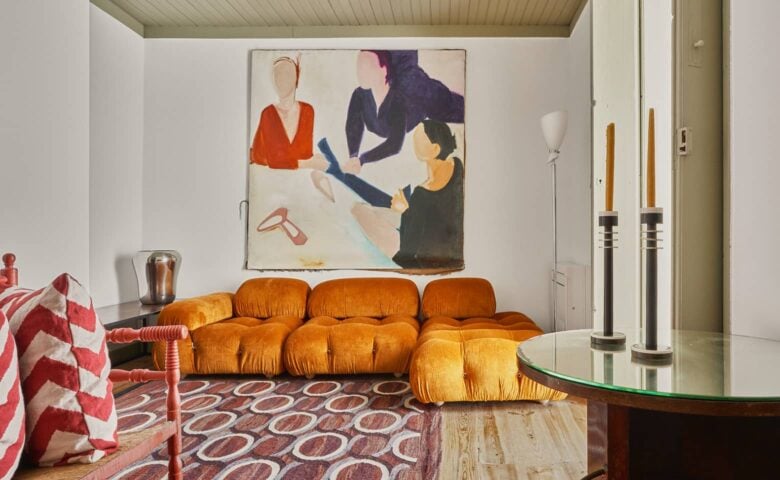


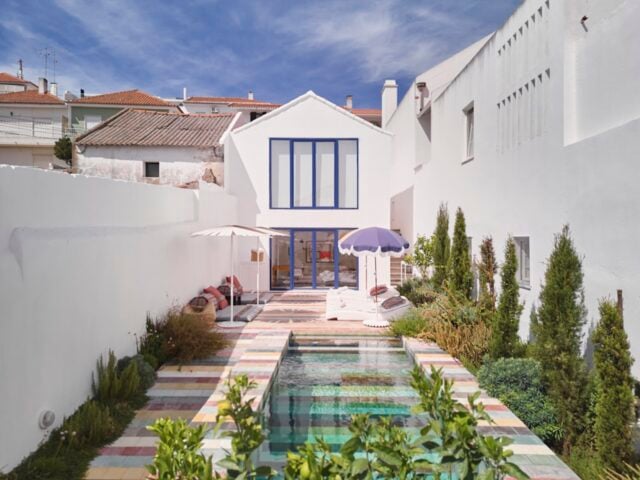


When you arrive, there is an old blue door that’s original with holes in it. When some people knock, they might be wondering where they are going. Inside is a lobby and stairs leading to the first floor, where you’ll see some frescoes and paintings on the wall. Here is the Gambling Room — a small living area with a gambling table that once belonged to my grandmother.
Then there is the main sitting area, the dining room and through the courtyard is another sitting room with a fireplace. This leads to the patio where we have an area with tables where guests can dine alfresco, as well as a swimming pool and sun loungers. Many houses in Alentejo once had a water tank where clothing and linen would have been washed. The swimming pool was designed with that in mind.
There is also a kitchen that can be accessed either from the patio or the end of the corridor. We kept much of it original, maintaining the floor and the tiles on the wall. Guests are welcome to use the kitchen as though it is their own home or watch as traditional dishes are being prepared by the staff. We also have a bathroom on the first floor.
A set of stairs leads to the second floor, where you’ll find a corridor that accesses all of the rooms. Some face the main street and others the patio. None are the same size. We have a tiny black and white room with original tiles from the house and another with an exposed wooden ceiling. One of the rooms was originally the kitchen with a cooking fireplace.
Two staff members are at the house from 8 am to 8 pm. Initially, they didn’t speak English but they took classes and are really willing to please. They prepare breakfast for the guests and provide all of the housekeeping services. If guests would like lunch or dinner, they will prepare traditional dishes upon request. Alentejo has really good local ingredients, so our breakfast features regional products with some enrichment.
We provide Diptyque toiletries for guests — we are the only hotel in Portugal with these toiletries as Diptyque has to approve each hotel first.
Based on guests’ interests, we have lots of programs to suggest in the region and can organise transfers to anywhere they want. When the house is full, we stay at the back of the property and only interact with guests if we feel they would like to see us. If not, we stay in the background to help our workers.
In addition to two resident staff members to cater for all needs, the following highlights make Casa Fortunato your ideal venue:
AMENITIES
Alcácer do Sal is a traditional village, not a touristic one, with lots of good restaurants serving fresh fish. There is a castle showcasing the local history, as well as several antique churches and chapels that can be opened on request. Around five minutes’ drive from the property is an old hermitage with a vineyard and horses.
On the banks of the river are rice fields and salt production areas where guests can walk or cycle (we can arrange bicycles). It’s around 25 kilometres from Alcácer to Comporta. In summer, there is a boat that travels up the river, allowing you to get up close to the rice fields and the surrounding nature.
In 30 minutes, you can be on the coastline and the beaches of Comporta and Melides. We can arrange transfers if guests don’t want to drive.
It’s also possible to journey to the interior of Alentejo and visit Evora (a UNESCO-listed city) or Grândola, which is a big town to the south of Alcácer that has some beautiful buildings.
In Setubal, there is a large port where the river creates a huge bay fringed by beaches. You can see dolphins here and there’s a protected nature reserve.
Alcácer do Sal is a picturesque village around 45 minutes’ drive south of Lisbon on the way to Comporta. Comporta and the Tróia Peninsula are 30 minutes away. It’s known for its rice fields and salt, with a river running through the area from south to north.
From April to the end of October is great. July and August are the busiest months as people are coming to enjoy the beaches of Comporta. But you can also swim in September and October — the temperatures are still really nice.
November, December, January and February are hard for us Portuguese as the weather is cooler and not as nice as the summertime.
Alentejo Villa is a beautifully designed holiday home rental with a stunning pool in the heart of unspoiled Alentejo.
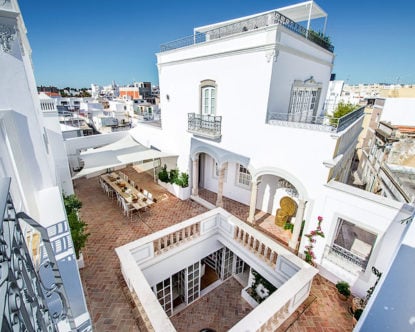
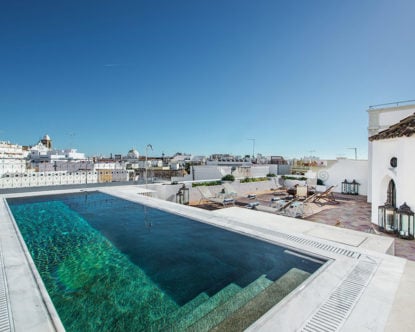
Olhão Retreat is a classic townhouse with 12 individually designed bedroom suites, a rooftop yoga deck and a swimming pool with incredible views overlooking the rooftops of the old town.
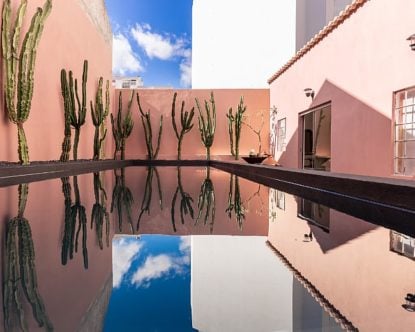
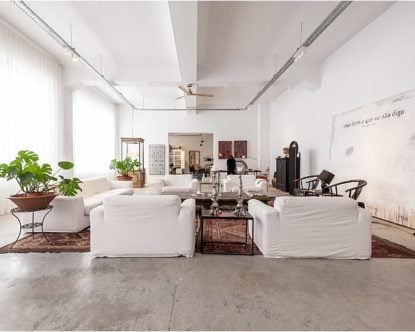
Ana Ana is the house-atelier of the artist and interior designer Eric de Bruijn. It is located in the heart of the Algarve within walking distance of shops, restaurants and the beach.
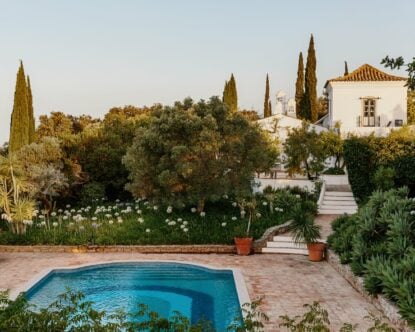
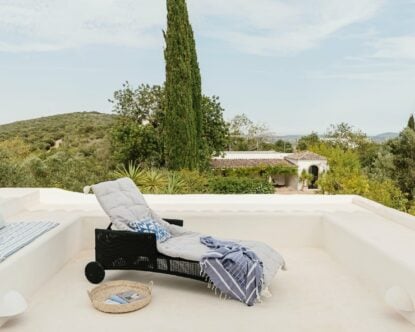
Villa Antonia is a very private countryside retreat in the Algarve with beautiful views of gentle rolling hills and picturesque valleys leading to the sea.
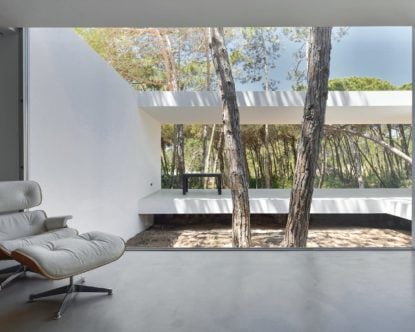
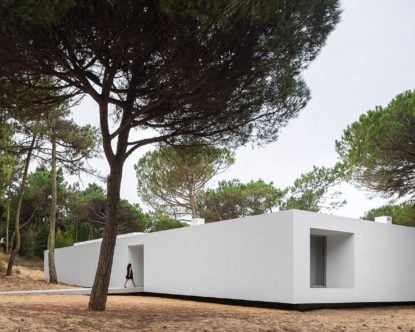
Casa Sintra is an architect-designed villa surrounded by pine trees located only a few minutes from the beautiful beaches and near the UNESCO-listed Portuguese town of Sintra.

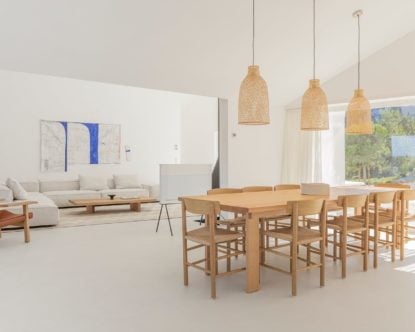
Nestled amidst dunes and rice fields on Portugal’s Alentejo coastline, Comporta Villa is an architecturally designed vacation rental that lies just a stone’s throw from Praia do Pego.
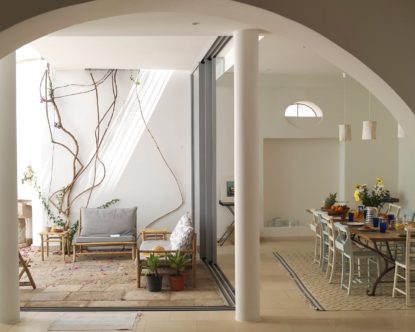
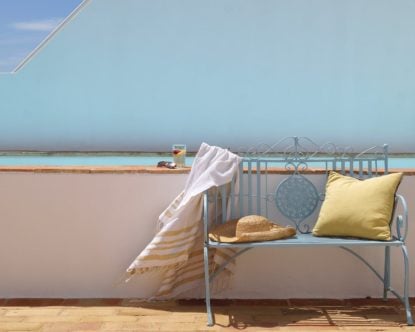
Located in the historic heart of Olhão, Number42 is a beautifully restored, 19th-century house with a rooftop pool and stunning views across the fishing town’s cubist buildings.
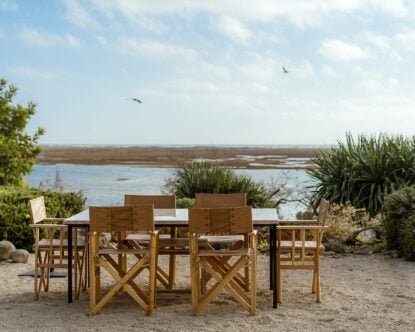
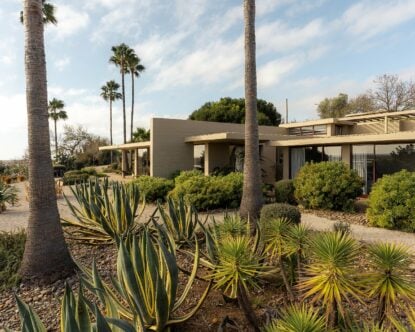
Set within Ria Formosa Natural Park, Casa Algarve is a contemporary villa on the Algarve coast. It is luxuriously decorated with handcrafted details while offering stunning views from its pool.
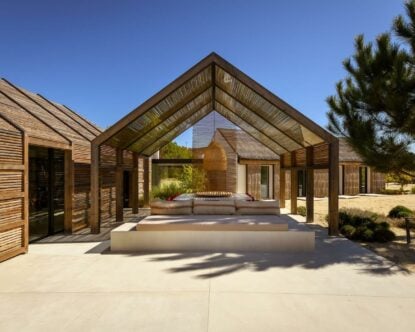
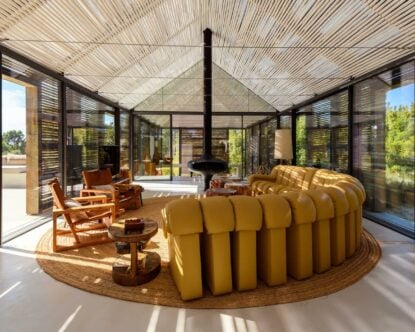
One of Comporta’s most iconic vacation homes, Casa Moderna was inspired by traditional Portuguese fishing dwellings. It features art-filled communal spaces and stunning outdoor relaxation areas.
Continue
Let’s prepare the booking details so you can review everything. You won't be charged yet.
Already have an account? Log in
Log in